
-
By
- October 19, 2025
- Work It Out

Why Mobility is Your Body’s Secret Weapon for a Pain-Free, Powerful Life
We all know we should exercise. We track our steps, hit the weights, and try to get in that cardio. But there’s a crucial element of fitness that often gets overlooked, hiding in the shadow of its flashier cousins like strength and endurance.
That element is mobility.
If you’re picturing a yogi contorted into a pretzel, you’re only seeing a small part of the picture. Mobility isn’t about contorting the body. It’s the foundation upon which every single movement of your life is built.
So, what exactly is it, and why should you care?
Try our latest mobility workout on our YouTube channel:
Mobility vs. Flexibility: It’s Not the Same Thing
This is the most common mix-up. Let’s clear it up right now.
Flexibility is passive. It’s the ability of your muscles to stretch. Think of someone pushing your leg towards your head in a hamstring stretch—that’s testing your flexibility.
Mobility is active. It’s your body’s ability to move a joint through its full, pain-free range of motion with control. It’s not just about having stretchy muscles; it’s about your joints, ligaments, and nervous system all working together harmoniously.
The simple analogy: Flexibility is how far your tissues can be moved. Mobility is how far you can move yourself with strength and stability.
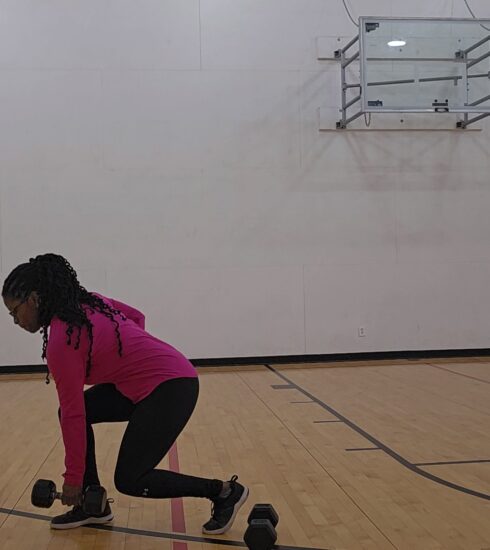
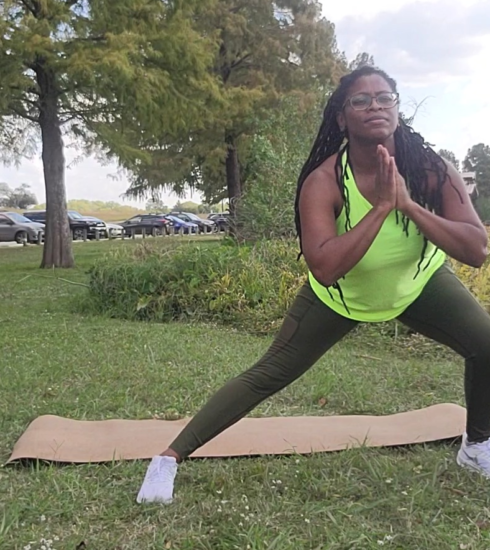
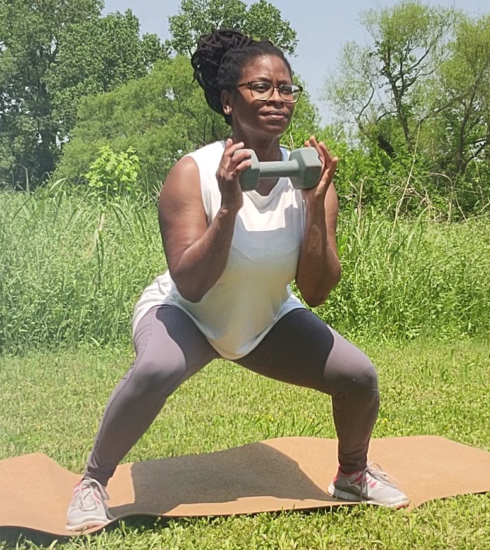
Try this dynamic mobility workout.
Simple Ways to Start Your Mobility Journey
The good news? You don’t need to dedicate hours. Consistency is far more important than duration.
Start with Your “Problem Children”: Identify your stiffest areas (for most, it’s hips, shoulders, and thoracic spine). Spend 5-10 minutes a day focusing on them.
Dynamic Stretching is Your Best Friend: Before a workout, do dynamic moves like leg swings, arm circles, and torso twists. This prepares your body for movement. Save the long, static stretches for after your workout.
Incorporate “Movement Snacks”: Get up from your desk every hour and do 30 seconds of cat-cows, a deep squat hold, or some shoulder rolls.
Try a Targeted Routine: Follow a short, guided mobility flow on YouTube. Search for “10-minute hip mobility” or “full body mobility routine.”
Listen to Your Body: Mobility work should feel like a “good hurt”—a sensation of release and opening, not sharp, stabbing pain.