



-
By
- June 28, 2026
- Nutrition

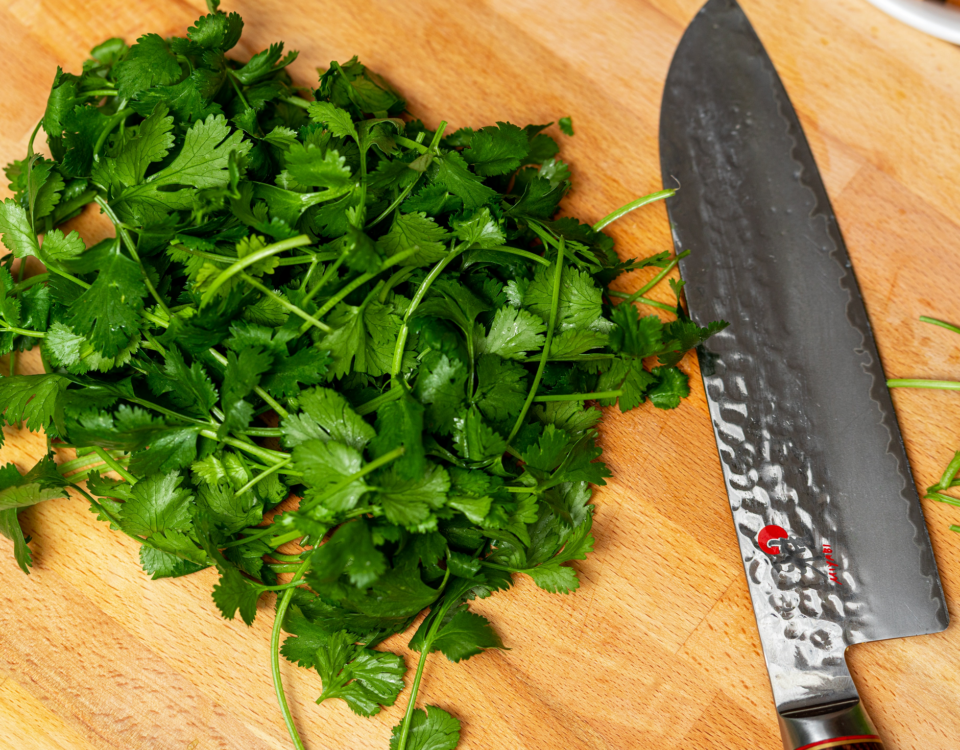
Don’t Toss That Parsley
When we think of parsley, we mostly associate it with decoration on our meals at our restaurant. And we usually toss it to the side and out it goes to the garbage with the rest of the discarded food scraps.
But parsley isn’t just for decoration. Parsley has many health benefits such as expelling worms, relieving gas, stimulating the normal activity of the digestive system and freshening breath. It is believed to help almost every internal organ including the bladder, kidneys, liver, lungs, stomach and thyroid gland.
Here’s a list of the healthy benefits of parsley:
- Rich in Antioxidants
Contains flavonoids, carotenoids, and vitamin C that help protect cells from damage caused by free radicals.
May help reduce oxidative stress, which is linked to aging and chronic disease. - Excellent Source of Vitamin K
Supports strong, healthy bones.
Essential for proper blood clotting.
May help reduce the risk of osteoporosis. - Supports Heart Health
Rich in folate, which helps lower homocysteine levels—a risk factor for heart disease.
Potassium helps regulate blood pressure.
Antioxidants may reduce inflammation in blood vessels. - Boosts Immune Function
High in vitamin C, which strengthens the immune system.
Contains vitamin A, important for healthy skin and mucous membranes that serve as the body’s first line of defense. - Promotes Healthy Digestion
May stimulate digestive enzymes.
Can help reduce bloating and support healthy bowel function.
Traditionally used to ease indigestion. - Supports Kidney Health
Acts as a natural diuretic, helping the body eliminate excess fluids.
May help reduce water retention.
Some research suggests it may support urinary tract health. - Helps Maintain Healthy Blood Sugar
Contains compounds that may improve insulin sensitivity.
Animal studies suggest parsley may help regulate blood glucose levels, though more human research is needed. - Good for Eye Health
Rich in lutein, zeaxanthin, and beta-carotene.
These nutrients help protect the eyes from age-related macular degeneration and cataracts. - Supports Healthy Skin
Vitamin C promotes collagen production.
Vitamin A supports skin repair and renewal.
Antioxidants may help protect skin from environmental damage. - May Reduce Inflammation
Contains plant compounds like apigenin and myristicin that have anti-inflammatory properties.
May help reduce chronic inflammation associated with various diseases. - Supports Bone Health
Provides calcium, magnesium, phosphorus, and vitamin K.
These nutrients work together to maintain bone density and strength. - May Have Cancer-Protective Properties
Contains apigenin, luteolin, and chlorophyll, which have shown potential anti-cancer effects in laboratory studies.
While promising, more human research is needed before definitive conclusions can be made. - Freshens Breath Naturally
Chlorophyll helps neutralize odors.
Traditionally used as a natural breath freshener after eating garlic or onions. - Nutrient-Dense and Low in Calories
Just ½ cup (about 30 grams) of fresh parsley provides:
Over 500% of the Daily Value (DV) for vitamin K
Around 50% of the DV for vitamin C
About 40% of the DV for vitamin A
Folate, iron, potassium, and fiber
Fewer than 15 calories
Nutrients: calcium, folate, iron, magnesium, manganese, phosphorus, potassium, selenium, zinc, vitamins A, B1, B2, B3, B5, C, E and K.
Easy Ways to Add More Parsley
Blend into smoothies or green juices.
Toss into salads.
Sprinkle over soups, roasted vegetables, or grilled meats.
Add to omelets and scrambled eggs.
Mix into pesto, chimichurri, or homemade salad dressings.
Stir into rice, quinoa, or couscous.
Use generously in tabbouleh or other Mediterranean dishes.
Note: Parsley is safe for most people when consumed in normal food amounts. However, people taking blood-thinning medications should keep their vitamin K intake consistent, as sudden increases can affect how these medications work. Pregnant individuals should also avoid consuming large medicinal amounts of parsley, as concentrated forms may stimulate uterine contractions.




1 Comment
Theresa Linton Newton
7 years agoWOW, This finding is amazing. Herbs are the BEST Cure for most health issues.
Comments are closed.