


-
By
- July 12, 2026
- Yoga

I Did a Yoga Squat Every Day for 30 Days and This is What Happened
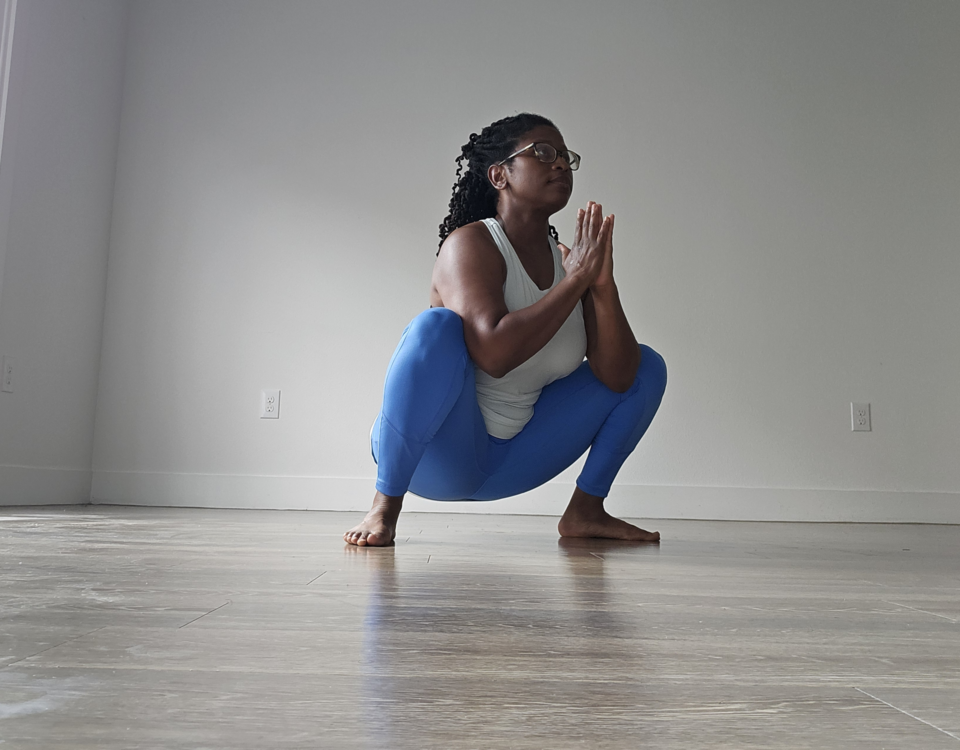
There are numerous yoga poses that do wonders for your body, but performing a squat is one of my favorites. As a grounding pose, yoga squat not only stretches the hips and ankles, but it also calms the nervous system. Upon waking up, I get right out of bed and squat low for 2-3 minutes. After a month, I gained more flexibility in my groin area and hips as well as less stiffness in my lower back. Here’s a breakdown of all the benefits of doing a yoga squat:
Increases Mobility: Deeply opens up the hips and stretches the tight ankles and groin muscles that often result from prolonged sitting.
Aids Digestion: The squatting position gently compresses the lower abdomen, making it highly effective for releasing trapped gases and aiding overall digestion.
Relieves Back Pain: By aligning the lower back and encouraging a neutral spine, it relieves the pressure and stiffness associated with sitting for long periods of time.
Strengthens the Lower Body: Works and tones the thighs, glutes, calves, and pelvic floor muscles.
Promotes Mindfulness: Being low to the ground acts as a grounding posture that settles the nervous system, which helps release tension and cultivate focus on the breath.
Tips for Yoga Squat
- While squatting, keep the back straight and the chest lifted. Aim to keep the feet flat on the floor.
- Press the elbows against the knees for a deeper groin stretch.
- As always, don’t forget to breathe into the pose.
If keeping your heels flat or holding the pose feels strained, there are several modifications you can use:
- Elevate your heels by placing a rolled-up yoga mat or blanket beneath your heels to offset limited ankle mobility.
- Use a prop like a yoga block or bolster to take the pressure off your knees and hips.
- You can also hold onto the edge of a table or chair while you lower yourself to help maintain balance.