-
By
- June 21, 2026
- Learn Your Labels Nutrition

Learn Your Labels: What is BPA and How to Avoid It
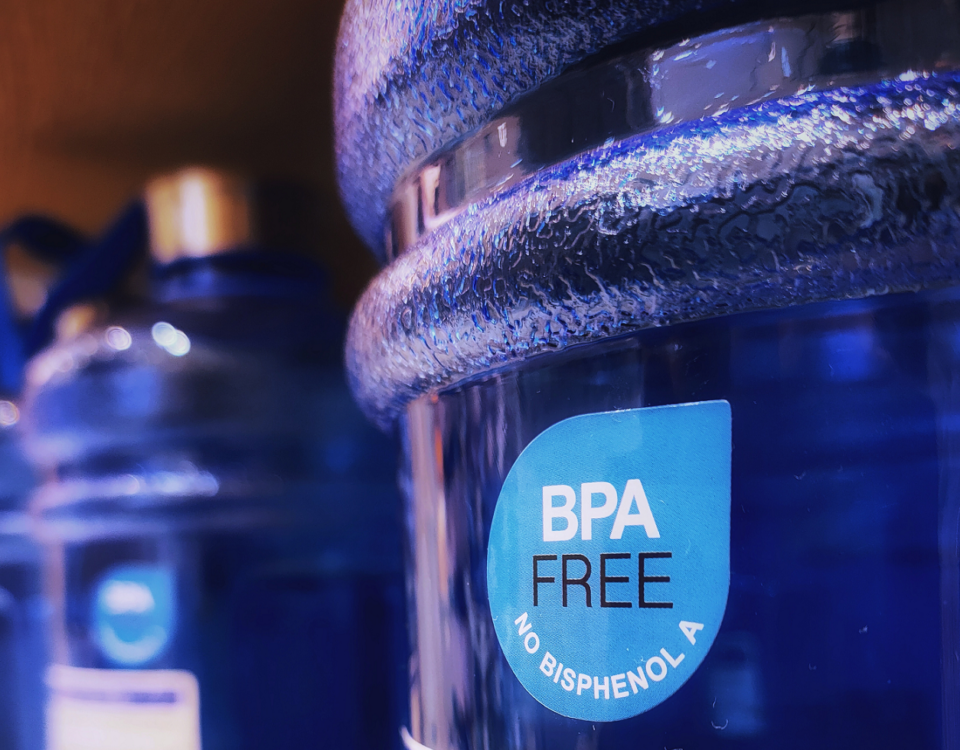
If you shop for groceries, then you may have recently noticed more labels that read “BPA-free.” BPA, or Bisphenol-A, is a chemical used to make shatterproof windows, water supply pipes, eyewear, dental fillings and dental devices. It is also frequently found in food and drink can linings and water bottles.
The Problem with BPA
Studies show that when ingested, this hormone disruptor can promote the growth of cancerous cells in the breast and prostate and cause infertility, hormone disruption, obesity and diabetes.
How to Avoid BPA
Food and Beverage Storage
Use glass containers instead of plastic for storing food.
Choose stainless steel water bottles over plastic bottles.
Avoid microwaving food in plastic containers, as heat can cause chemicals to leach into food.
Store hot foods and liquids in glass or ceramic containers.
Replace scratched or damaged plastic containers, which may release more chemicals.
Look for BPA-free products, especially for food storage and drinkware.
Grocery Shopping
Buy fresh or frozen fruits and vegetables instead of canned varieties.
Choose foods packaged in glass jars when available.
Look for brands that use BPA-free can linings.
Purchase beverages in glass bottles or cartons rather than plastic containers.
In the Kitchen
Use ceramic, cast iron, or stainless steel cookware.
Avoid plastic utensils with hot foods.
Use beeswax wraps or reusable cloth covers instead of plastic wrap when possible.
Transfer takeout food from plastic containers to glass containers before reheating.
Personal Care and Household Items
Select BPA-free reusable lunch containers and travel mugs.
Choose baby bottles and sippy cups labeled BPA-free.
Avoid plastic products marked with recycling codes 3 or 7, unless specifically labeled BPA-free.
Use wooden, bamboo, or stainless steel kitchen tools when possible.
Receipts and Paper Products
Decline paper receipts and opt for digital receipts.
Wash your hands after handling receipts, especially before eating.
Avoid storing receipts in wallets, purses, or reusable shopping bags where they can transfer chemicals to other items.
Drinking Water
Use a home water filter certified to reduce contaminants.
Avoid leaving plastic water bottles in hot cars or direct sunlight.
Drink from glass, stainless steel, or ceramic cups whenever possible.
For Families with Children
Choose glass baby food jars when available.
Use silicone or stainless steel food containers for children’s lunches.
Avoid heating formula or milk in plastic bottles.
Select BPA-free teethers and toys from reputable manufacturers.
General Lifestyle Tips
Reduce overall use of single-use plastics.
Read product labels carefully and research manufacturers’ materials.
Ventilate your home regularly, as some household products can contribute to chemical exposure.
Focus on whole, minimally processed foods, which often have less contact with plastic packaging.
The biggest sources of BPA exposure for most people are food packaging, canned foods, plastic containers exposed to heat, and thermal paper receipts. Simple switches to glass, stainless steel, fresh foods, and digital receipts can significantly reduce daily exposure.