


-
By
- September 6, 2025
- Nutrition

The Power of Pumpkin Seeds
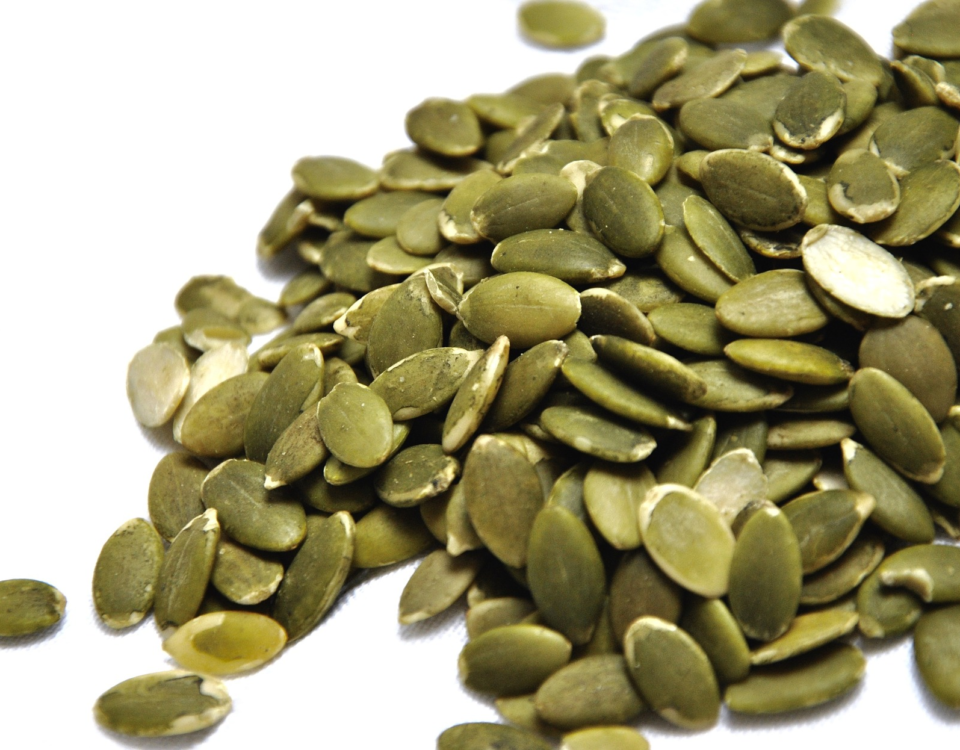
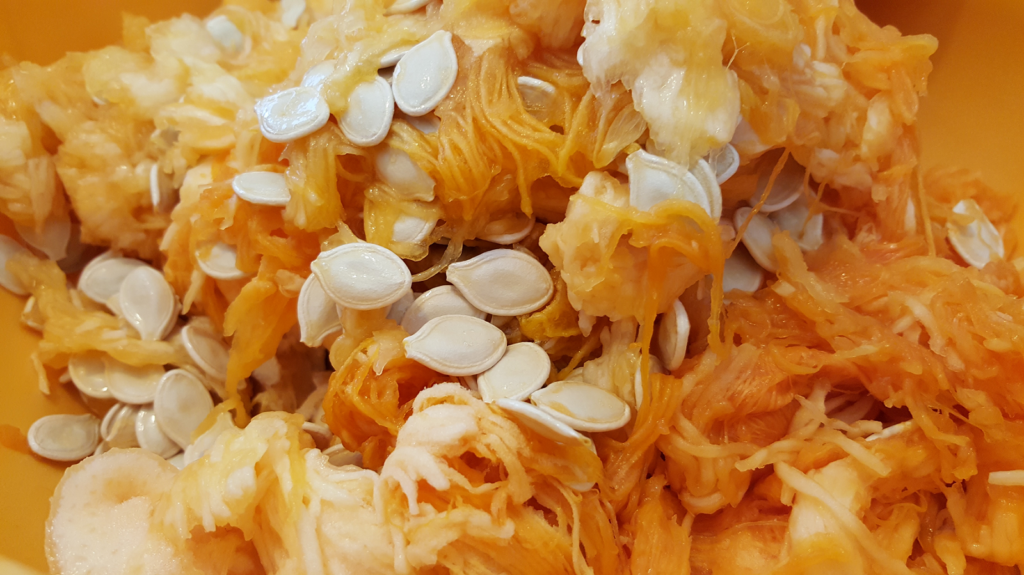
Autumn would not be autumn without pumpkins. Pumpkins are a healthy root vegetable whose pulp is used in abundance in pies during the holiday season. But it’s the pumpkin seed that is the star of the show. These nutritional powerhouses can be eaten in cereal, trail mix and even ground into smoothies to add a smooth, nutty flavor.
What makes pumpkin seeds so great?
Pumpkin seeds are celebrated for their health benefits.
- Magnesium: Crucial for blood pressure, blood sugar control, heart health, and bone health.
- Zinc: Vital for immune function, cell growth, sleep quality, and mood.
- Iron: Essential for transporting oxygen in the blood and preventing anemia.
- Copper: Important for red blood cell formation and immune health.
- Manganese: Plays a role in metabolism, bone health, and antioxidant function.
- Phosphorus: Key for bone health and cell repair.
- Vitamin K: Important for blood clotting and bone health.
- Healthy Fats: Rich in omega-3 and omega-6 fatty acids.
- Protein: A great plant-based protein source, with about 7-9 grams per ounce.
- Fiber: Supports digestive health.
They’re good for inflammation caused by arthritis, and may help lower cholesterol. Pumpkin seeds are full of essential fatty acids and are also helpful in ridding the body of parasites.
Ways to Incorporate Pumpkin Seeds into Your Diet
- Raw or Roasted: Eat them as a standalone snack.
- Salads: Sprinkle them on top for a crunchy texture.
- Smoothies: Blend a tablespoon into your morning smoothie.
- Yogurt or Oatmeal: Use them as a topping.
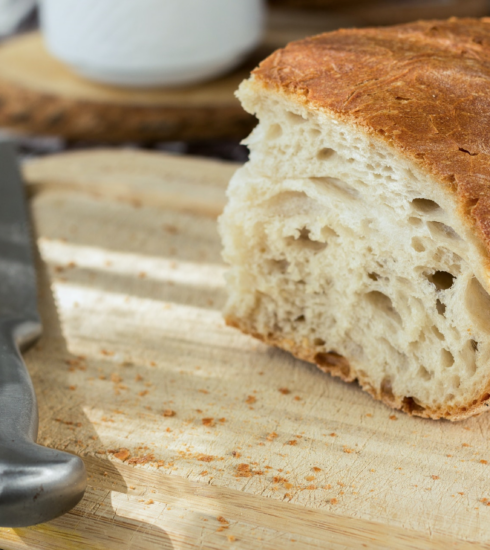
- Baking: Add them to bread, muffins, or granola bars.
- Trail Mix: Combine with nuts and dried fruit.
Store raw, organic pumpkin seeds in an airtight container in the refrigerator and they’ll keep for months.