



-
By
- August 9, 2026
- Nutrition

Signs You May Want to Go Gluten-Free
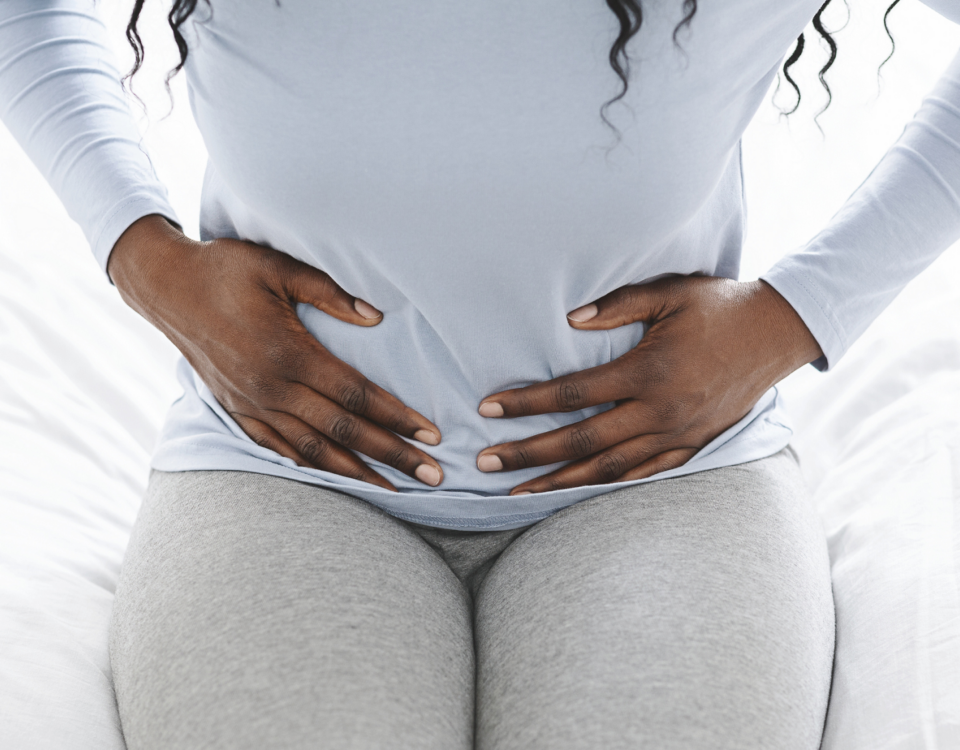
Occasional bloating after a night of pizza is normal, but if it becomes a regular occurrence, then it may be time to consider cutting the gluten out of your diet.
What is gluten?
Gluten is a group of proteins found primarily in wheat, barley, and rye. It helps give bread and other baked goods their structure, elasticity, and chewy texture.
Gluten can be found in obvious foods such as bread, pasta, crackers, and many baked goods. However, it can also appear in less obvious products, including sauces, marinades, soups, seasonings, processed meats, and some beverages.
If you need to follow a strict gluten-free diet, learning to read food labels is an important part of the process.
Why Do People Go Gluten-Free?
The most important reason to avoid gluten is celiac disease. Celiac disease is an autoimmune condition in which consuming gluten triggers an immune response that damages the lining of the small intestine. People with celiac disease need to avoid gluten consistently.
Some people experience symptoms after eating gluten but do not have celiac disease. This may be referred to as non-celiac gluten sensitivity. Symptoms can vary and may include digestive discomfort, bloating, fatigue, or headaches.
It is important to talk with a healthcare professional before eliminating gluten if you suspect you have celiac disease. Starting a gluten-free diet before being tested can affect the accuracy of certain diagnostic tests.
What Can You Eat on a Gluten-Free Diet?
Going gluten-free doesn’t mean giving up flavorful or nutritious foods. Many naturally gluten-free foods can form the foundation of a healthy diet.
Consider incorporating:
Fruits and vegetables
Eggs
Fresh meat, poultry, and seafood
Beans and lentils
Nuts and seeds
Dairy products, if tolerated
Rice
Potatoes and sweet potatoes
Corn
Quinoa
Buckwheat
Certified gluten-free oats
Gluten-free breads, pastas, and other specialty products
Building meals around naturally gluten-free foods can help you avoid relying too heavily on highly processed gluten-free alternatives.
Symptoms of gluten intolerance
- Diarrhea
- Constipation
- smelly bowel movements
- abdominal pain
- Fatigue and tiredness
- brain fog
- Anxiety
- Anemia
- unexplained weight loss
- bloody stool
- changes in your bowel habits
If you experience any of these symptoms and suspect gluten, consult your physician for a complete diagnosis and treatment.